Compassionate, Practical Therapy for Meaningful Change
I provide trauma-informed therapy for OCD, addiction, trauma and PTSD, grief, codependency, emotional regulation, and relationship concerns.
Telehealth in Michigan
Aetna | Priority Health | McLaren | Meridian | Molina | Optum | ASR | BCC | BCBS | Self-Pay | Open Path

Exposure and Response Prevention
Exposure and Response Prevention, or ERP, helps you gradually approach the thoughts, feelings, situations, and uncertainties that trigger OCD while reducing the compulsions and avoidance that keep the cycle going.
Exposure work is collaborative and paced intentionally. You will not be forced into an exposure or expected to confront every fear at once. We work together to identify the patterns interfering with your life and develop opportunities to practice responding differently.
The goal is not to eliminate intrusive thoughts or achieve perfect certainty. It is to learn that you can experience discomfort and uncertainty without allowing OCD to control your choices.
Inference-Based Cognitive Behavioral Therapy
Inference-Based Cognitive Behavioral Therapy, or I-CBT, focuses on the reasoning process that creates obsessional doubt.
OCD can cause imagined possibilities to feel more trustworthy than information available through your senses and present circumstances. You may intellectually recognize that something is unlikely while continuing to feel as though you must investigate, check, review, avoid, or obtain reassurance.
I-CBT helps you understand how obsessional doubt develops, identify when OCD has moved away from direct evidence and into an imagined narrative, and practice trusting present-moment information without engaging in compulsive reasoning.
Dialectical Behavior Therapy
Dialectical Behavior Therapy helps build skills in emotional regulation, distress tolerance, mindfulness, and interpersonal effectiveness.
I use DBT to support clients who experience intense emotions, relationship instability, self-destructive coping patterns, or reactions that feel difficult to interrupt. The focus is on balancing acceptance and change so you can respond to emotions without being overtaken by them.
Solution-Focused Therapy
Solution-Focused Therapy emphasizes what is already working rather than remaining anchored entirely in the problem.
Together, we identify strengths, exceptions, resources, and small but meaningful steps that can move you forward. This approach is practical and empowering and can help create momentum when life feels overwhelming or change feels out of reach.
Rational Emotive Behavior Therapy
Rational Emotive Behavior Therapy focuses on identifying and challenging rigid or self-defeating beliefs that contribute to emotional distress.
This approach helps you understand how beliefs, emotions, and behaviors interact and supports the development of more flexible and realistic ways of thinking. The purpose is not to dismiss difficult emotions but to reduce unnecessary suffering created by rigid expectations of yourself, other people, or the world.
Somatic Therapy
Somatic Therapy focuses on the connection between the body and emotional experience.
It can help you notice how stress, trauma, anxiety, and emotion appear physically and develop ways to regulate your nervous system through awareness, grounding, movement, and gentle body-based strategies. This can be particularly helpful when emotions are difficult to access or words do not fully capture what you are experiencing.
Inner Child and Psychodynamic-Informed Work
Inner child work explores how early experiences shaped your emotional responses, beliefs, relationships, and ways of protecting yourself.
I use this approach to support healing related to grief, attachment wounds, unmet emotional needs, trauma, and longstanding emotional pain. The goal is not to remain stuck in the past. It is to understand the past well enough to respond to yourself with greater compassion, clarity, and choice in the present.
Existential Therapy
Existential Therapy explores meaning, identity, values, freedom, responsibility, and the realities of being human.
This approach can be helpful when you are navigating grief, questions about purpose, major life transitions, identity concerns, or uncertainty about what comes next. It supports honest reflection and helps you make choices that feel aligned with who you are and what matters to you.
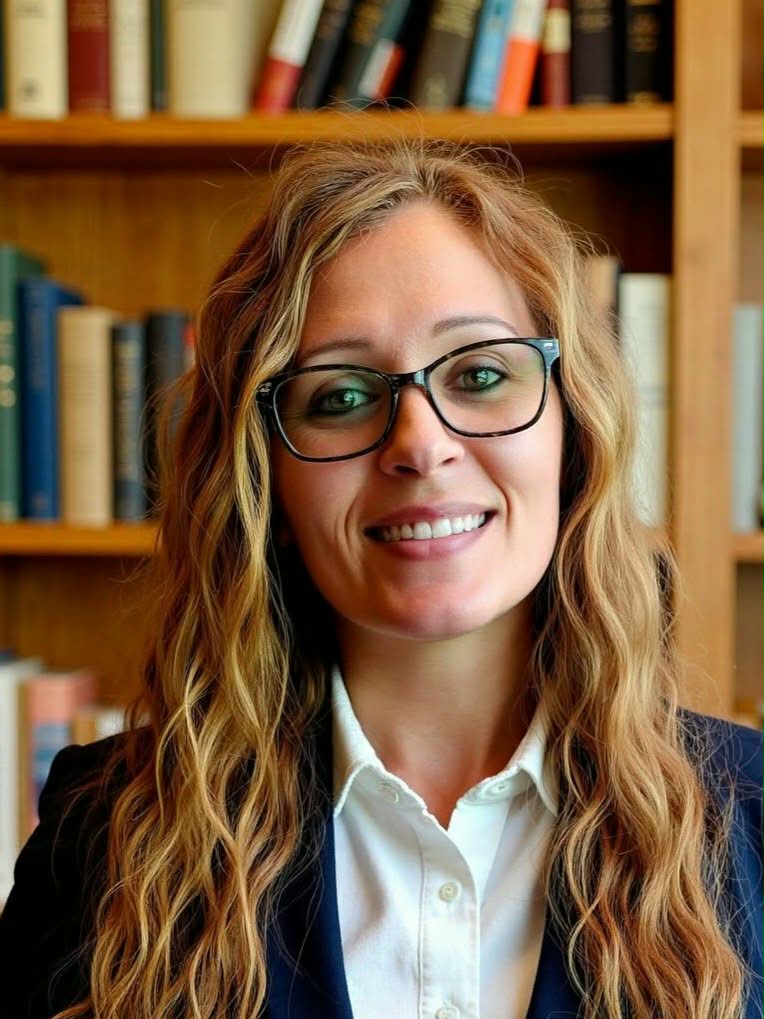
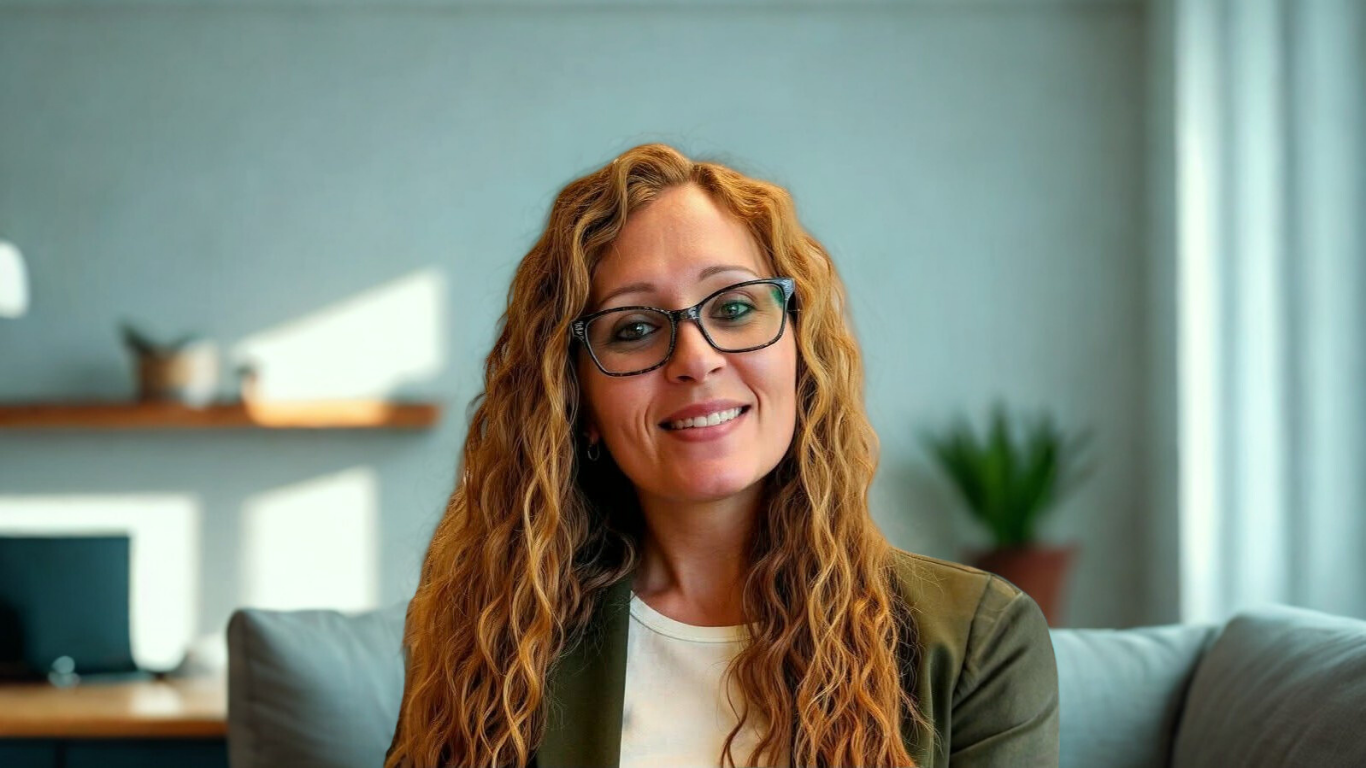
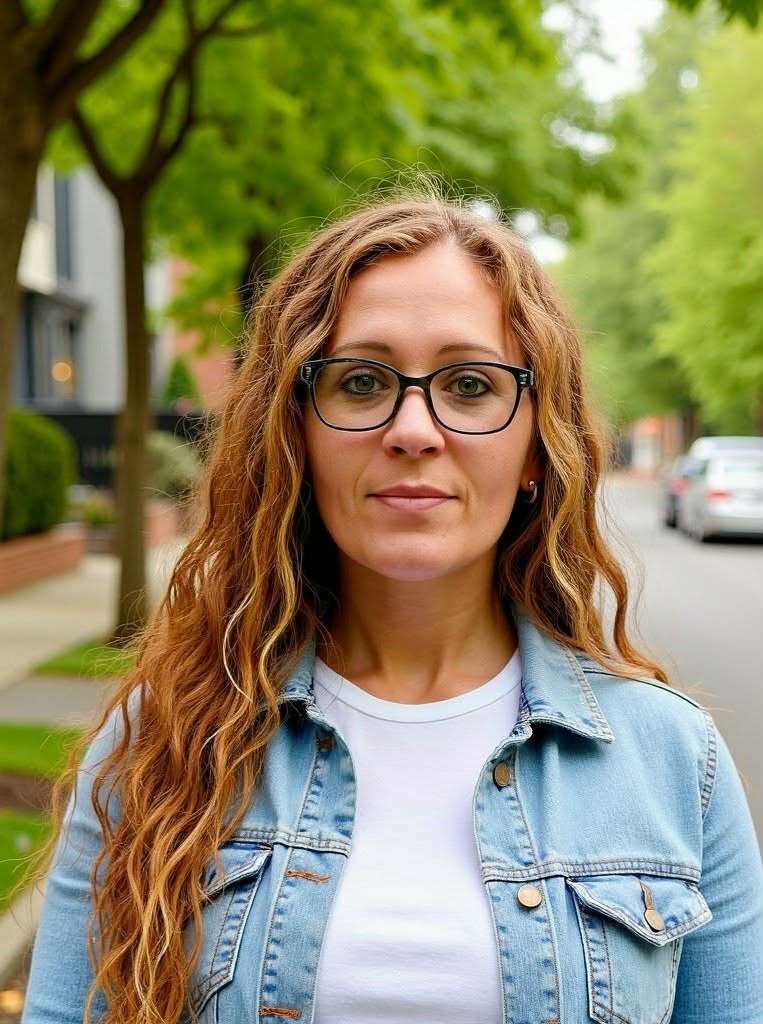
Meet Crystan Straub, MA, LLC, CAADC, NCC
I am a therapist with a longstanding commitment to helping people heal from trauma, posttraumatic stress, addiction, grief, and the relational wounds that often follow them into adulthood. Much of my work centers on supporting individuals who have spent years in survival mode and are ready to understand themselves with greater clarity, compassion, and choice.
I also work with clients experiencing obsessive-compulsive disorder. OCD can involve intrusive thoughts, persistent doubt, rumination, reassurance seeking, avoidance, checking, mental review, or other compulsive behaviors. These experiences can be especially confusing when they occur alongside trauma, addiction, intense emotions, or relationship difficulties.
In therapy, we take time to understand what is driving a particular behavior rather than assuming every form of avoidance, anxiety, or repetition serves the same function. This allows treatment to address OCD directly while remaining responsive to trauma history, emotional regulation needs, and other concerns occurring at the same time.
I hold a master’s degree and am a Limited Licensed Counselor in Michigan. I am also a Nationally Certified Counselor and a Certified Advanced Alcohol and Drug Counselor. I bring more than eight years of experience working in inpatient treatment settings with individuals experiencing substance use concerns, trauma, PTSD, and borderline personality disorder.
My professional background includes extensive group facilitation, transitional care from detoxification to residential treatment and from residential to outpatient care, and long-term work with individuals and family members affected by addiction and alcoholism.
My clinical approach is grounded, collaborative, and practical. I integrate Exposure and Response Prevention, Inference-Based Cognitive Behavioral Therapy, Dialectical Behavior Therapy, Solution-Focused Therapy, and Rational Emotive Behavior Therapy, with additional influence from existential, somatic, psychodynamic, and inner child work.
I place a strong emphasis on emotional regulation, self-understanding, and helping clients make sense of longstanding patterns without shame. Therapy with me is not about forcing change before safety exists. It is about building stability, understanding what keeps a problem going, and creating space for insight and meaningful change.
A defining strength of my work is inner child healing. In addition to my clinical training, I bring more than two decades of experience working with children, including grief-related work, art-based processing, and creating emotionally safe environments that support regulation and resilience. I carry this perspective into my work with adults by helping clients reconnect with parts of themselves shaped by loss, neglect, trauma, or unmet emotional needs.
I work with children, teens, adults, couples, and families and welcome clients at different stages of healing. While much of my clinical background has focused on adult and group-based treatment, I am also interested in continuing to expand my work with couples and adolescents within a supportive, trauma-informed framework.
I have extensive experience supporting individuals and families affected by suicide and have been involved with the Children’s Grief Center of the Great Lakes Bay Region since 2015. I have received specialized training in trauma-informed group work, including in-person training with Stephanie Covington, and have facilitated trauma-focused groups for men and women in residential treatment settings.
My work often includes helping clients understand anger, boundaries, self-worth, obsessive doubt, emotional intensity, and the effects of trauma on relationships. Throughout this process, I support clients in building accountability, emotional awareness, self-trust, and healthier ways of relating to themselves and others.
I believe healing is not about erasing the past or becoming someone new. It is about understanding where you came from, recognizing how your experiences have shaped you, and developing the skills and self-trust needed to move forward with intention. I offer therapy as a steady, respectful partnership for clients who want to heal deeply and live with greater clarity and balance.

Empowering Your Journey
Flourishing Future Wellness Since 2024
Crystan Straub, MA, LLC, CAADC, NCC
Crystan@flourishingfuturewellness.com
989-402-2415
Limited Licensed Counselor / 6451023797
Supervised by John Sullivan (Michigan / 6401019176)