
Meet Sophia Badgley, MA, LCSW
Compassionate Therapy Grounded in Safety and Understanding
NOW ACCEPTING NEW CLIENTS
Telehealth in Michigan
Aetna | Priority Health | McLaren | Meridian | Molina | Optum | ASR | BCC | BCBS | BCN | Self-Pay | Open Path
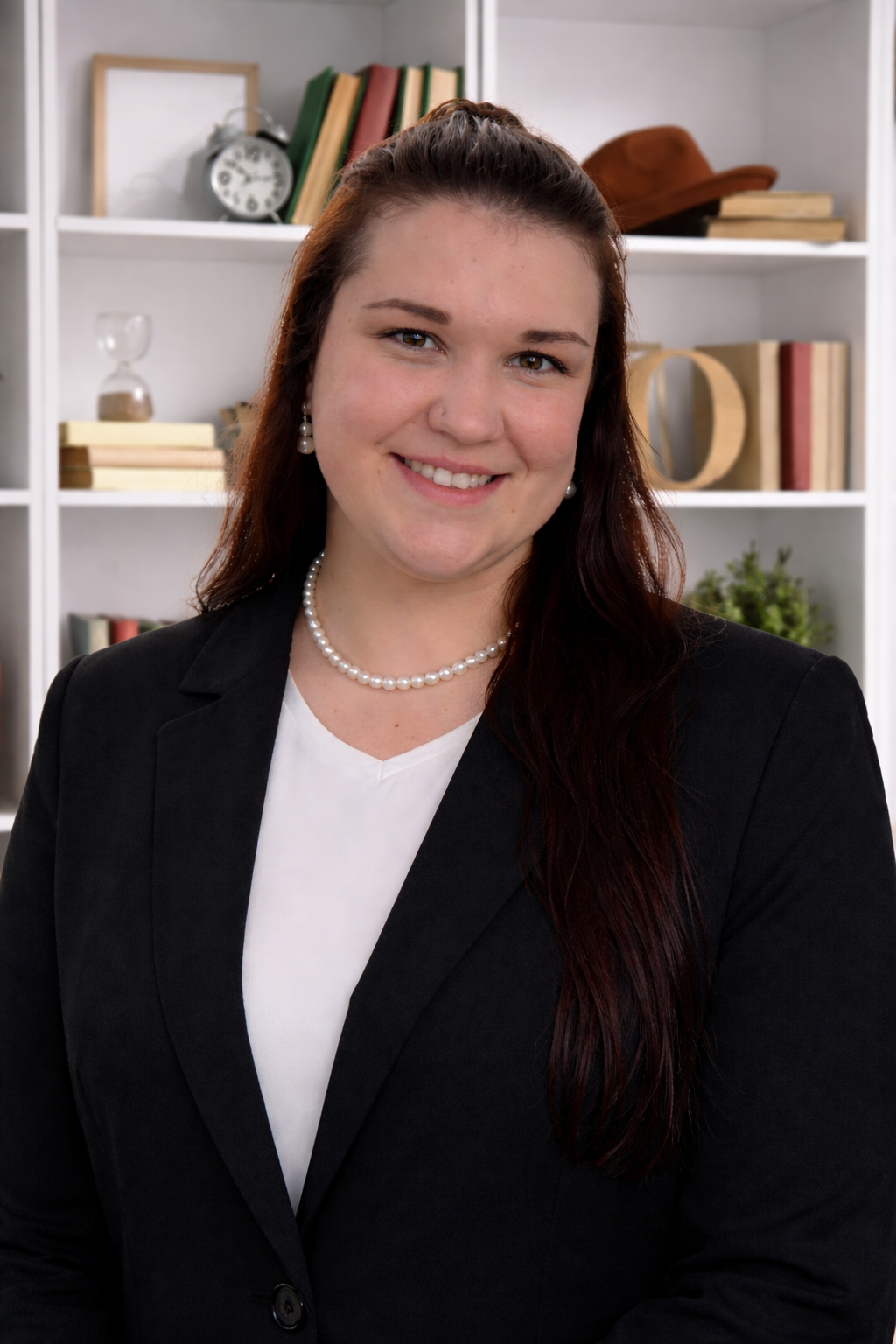

I provide trauma-informed therapy for OCD, trauma and PTSD, crisis-related healing, substance use and addiction, emotional regulation, and overwhelming life experiences.

Meet Sophia
I am a therapist specializing in obsessive-compulsive disorder, trauma, posttraumatic stress disorder, and crisis-related healing. I also have experience supporting people affected by substance use and addiction. My work is informed by extensive experience helping people who have survived interpersonal violence, acute crises, and prolonged exposure to unsafe or destabilizing environments.
I work with clients experiencing intrusive thoughts, persistent doubt, rumination, checking, reassurance seeking, avoidance, and other obsessive-compulsive patterns. OCD can be difficult to recognize, especially when it occurs alongside trauma, substance use, anxiety, intense emotions, or previous experiences of feeling unsafe.
Although OCD, trauma responses, and addiction-related behaviors can sometimes look similar from the outside, they do not always serve the same function or respond to the same interventions. I take time to understand what is driving a particular thought or behavior so that we can respond in a way that fits what you are actually experiencing.
Treatment may include Exposure and Response Prevention, Inference-Based Cognitive Behavioral Therapy, trauma-informed interventions, emotional regulation skills, substance-use treatment, or a combination of approaches.
Much of my professional background has involved long-term work within emergency and crisis-based settings. I have supported survivors during moments of immediate danger and throughout the longer process of stabilization and recovery. This experience shaped a clinical approach grounded in safety, clarity, and respect for the ways people learn to protect themselves and survive difficult circumstances.
My experience with addiction includes helping clients understand the role substances may play in managing trauma symptoms, emotional pain, stress, or overwhelming internal experiences. I approach substance use without shame or judgment. We work together to understand what the behavior is doing for you, identify the consequences it may be creating, and build safer and more sustainable ways of coping.
I bring several years of clinical experience into my work with clients and approach therapy as a steady, collaborative process. Many people come to therapy feeling overwhelmed, guarded, uncertain, or discouraged after navigating systems that did not fully understand or meet their needs. My role is to provide a space where your experiences are taken seriously, your autonomy is respected, and healing is paced in a way that feels sustainable.
Therapy with me focuses on building safety, understanding patterns, and strengthening skills that support emotional regulation and long-term resilience. When we are treating OCD, our work also focuses on recognizing the cycle of obsessional doubt and changing the responses that keep that cycle going. When substance use is part of the picture, we explore its function and how it relates to your emotions, relationships, trauma history, and goals.
You do not need to minimize what you have experienced or be in an active crisis to deserve support. You also do not need to explain everything perfectly before beginning therapy. We will work together to understand what is happening and determine which treatment approach makes the most sense for you.

Individual therapy tailored to your unique journey and healing.

Your goals, preferences, values, culture, identity, and readiness all matter in the treatment process.
How I Work
Exposure and Response Prevention
Exposure and Response Prevention, or ERP, is an evidence-based treatment for obsessive-compulsive disorder.
ERP helps you gradually approach the thoughts, feelings, situations, and uncertainties that trigger OCD while reducing the compulsions and avoidance that provide temporary relief but strengthen OCD over time.
Exposure work is collaborative and paced intentionally. You will not be forced into an exposure or expected to confront every fear at once. We work together to understand your OCD cycle, identify the compulsions interfering with your life, and develop opportunities to practice responding differently.
The goal is not to prove that your fears could never happen or eliminate every intrusive thought. It is to help you experience uncertainty without needing to resolve it through checking, reassurance, avoidance, rumination, or other compulsions.
Inference-Based Cognitive Behavioral Therapy
Inference-Based Cognitive Behavioral Therapy, or I-CBT, focuses on the reasoning process that creates obsessional doubt.
OCD can cause an imagined possibility to feel more trustworthy than the information available through your senses and present circumstances. You may recognize intellectually that something is unlikely while still feeling compelled to investigate, review, check, avoid, or seek reassurance.
I-CBT helps you understand how obsessional doubt develops and recognize when OCD has moved away from direct evidence and into an imagined narrative. Treatment focuses on strengthening trust in present-moment information and responding without entering OCD’s cycle of repeated reasoning and mental review.
Substance Use and Addiction
Substance use often develops for a reason. Alcohol or other substances may provide temporary relief from emotional pain, traumatic memories, anxiety, intrusive thoughts, relationship stress, or a nervous system that rarely feels settled.
My approach begins with understanding the role substance use plays in your life rather than reducing you to a diagnosis or a behavior. Together, we can explore patterns, triggers, consequences, readiness for change, and the goals that matter to you.
When addiction occurs alongside OCD or trauma, treatment needs to address how these concerns interact. We work to identify whether a behavior is functioning as a compulsion, a trauma response, a way of regulating emotion, an addiction-related pattern, or some combination. This helps us choose interventions that address the actual mechanism rather than treating every behavior the same way.
Dialectical Behavior Therapy
Dialectical Behavior Therapy helps build skills in emotional regulation, distress tolerance, mindfulness, and interpersonal effectiveness.
I use DBT to support clients who experience intense emotions, relationship instability, self-destructive coping patterns, substance use, or reactions that feel difficult to interrupt. The focus is on balancing acceptance and change so that you can experience strong emotions without being completely overtaken by them.
DBT skills can also support OCD treatment by helping you remain present with discomfort without immediately responding through avoidance or compulsive behavior.
Solution-Focused Therapy
Solution-Focused Therapy emphasizes what is already working rather than focusing only on what is wrong.
Together, we identify strengths, resources, exceptions, and small but meaningful steps that can help you move forward. This approach is practical and empowering and can help create momentum when life feels overwhelming or change feels difficult to imagine.
Somatic Therapy
Somatic Therapy focuses on the connection between the body and emotional experience.
It can help you recognize how stress, trauma, anxiety, cravings, and emotion appear physically and learn ways to regulate your nervous system through awareness, grounding, movement, and other gentle body-based strategies.
Somatic work can be especially helpful when emotions are difficult to access, your body remains on alert after danger has passed, or words do not fully describe what you are experiencing.
When somatic strategies are used alongside ERP, we are careful not to turn grounding or regulation into a way of escaping every uncomfortable sensation. Instead, these strategies can help you remain present and make intentional choices about how you want to respond.
Person-Centered Therapy
Person-Centered Therapy is grounded in trust, collaboration, and respect for your individual experience.
You remain the expert on your own life. My role is not to force you into a predetermined process. It is to help you understand what you are experiencing, offer effective treatment options, and work with you to determine what is useful.
Begin Therapy with Sophia
If you are experiencing OCD, intrusive thoughts, trauma, PTSD, substance use concerns, overwhelming emotions, or difficulty rebuilding a sense of safety after a crisis, you do not have to work through it alone.
Schedule a free 15-minute consultation to learn more about working with Sophia through telehealth in Michigan.
Empowering Your Journey
Flourishing Future Wellness Since 2024
Sophia Badgley, MA, LCSW
Sophia@flourishingfuturewellness.com
989-402-4225
Licensed by the State of Michigan / 6801110573
Get in Touch
Admin@FlourishingFutureWellness.com
989-528-1221